
With Dr Shobhan Manoharan
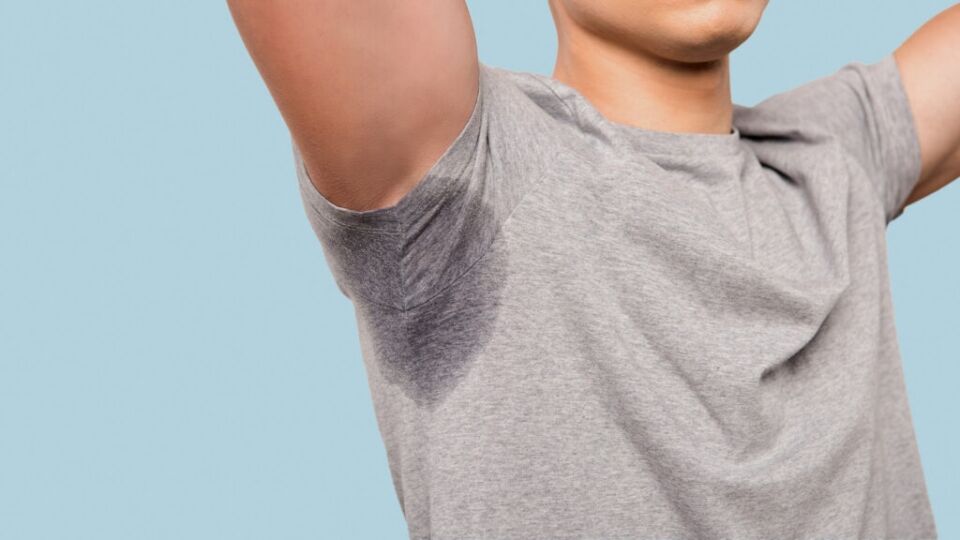
Sweating is a completely normal, healthy way for our bodies to keep cool. But when your body starts producing sweat entirely on its own, regardless of how hot it is outside or whether you are working out, it crosses the line from a natural cooling function into a deeply disruptive medical condition.
As a hyperhidrosis specialist and dermatologist in Brisbane, I regularly consult with patients whose daily routines, clothing choices, and confidence are heavily impacted by excessive sweating, clinically known as hyperhidrosis.
Many people spend years quietly navigating the physical discomfort and social anxiety of this condition, often assuming it is just something they have to live with. The reality is quite different. Hyperhidrosis is a highly treatable medical issue. In this guide, we will break down the science behind why it happens, look at how it differs from regular sweating, and outline the primary pathways to long-term relief.
What is Hyperhidrosis?
Hyperhidrosis is a clinical condition characterised by chronic, unpredictable sweating that goes far beyond what your body actually needs for temperature regulation. It is important to clear up a common misconception straight away: this is not a reflection of your fitness levels, nervousness, or personal hygiene. It is simply a localised overactivity within your body’s sweat production system.
Our skin contains millions of eccrine sweat glands, which are most heavily concentrated under the arms, on the palms, the soles of the feet, and the face. If you have hyperhidrosis, these glands are completely healthy and normal structurally, but the nervous system is sending them continuous, overstimulated signals to stay switched “on”.
Primary vs. Secondary Hyperhidrosis
When evaluating sweating concerns as a hyperhidrosis specialist, our first step at our Brisbane clinic is always to figure out which of the two main types of hyperhidrosis you are experiencing:
Primary Focal Hyperhidrosis
This is the most common form, usually starting around adolescence or even early childhood. It typically causes symmetric sweating in specific, localised areas, most frequently the underarms (axillary), palms (palmar), soles of the feet (plantar), or the face and scalp (craniofacial). Primary hyperhidrosis does not have an underlying medical cause, but it is highly genetic. Most of the patients I see with this type have a parent, sibling, or relative who struggles with the exact same issue.
Secondary Generalised Hyperhidrosis
This type of sweating happens because of an underlying systemic medical issue or as a side effect of a prescription medication you might be taking. Unlike primary hyperhidrosis, secondary hyperhidrosis usually causes widespread sweating across your entire body and often starts quite suddenly in adulthood. Common medical triggers include thyroid disorders, hormonal changes (such as menopause), diabetes, or medications like certain antidepressants. Identifying and treating the root cause is always the priority here.
The Invisible Burden of Excessive Sweating
Living with hyperhidrosis involves a lot more than just dealing with the physical dampness. The real impact is often emotional and social, shaping how you navigate the world every day:
- Professional Hurdles: Feeling anxious about simple workplace interactions like shaking hands, struggling to use touchscreens or handle paperwork, or feeling self-conscious during presentations.
- Wardrobe Restrictions: Planning every outfit around dark or heavy fabrics to hide visible sweat marks, carrying spare shirts in your bag, or avoiding certain shoes because your feet slip.
- Skin Discomfort: Chronic moisture can break down the skin’s natural protective barrier, leading to painful chafing, irritation, and a higher risk of localised bacterial or fungal infections.
- The Mental Toll: Living in a constant state of hypervigilance, always scanning the room for a fan or an exit, which can gradually erode your day-to-day confidence.
Consulting a Hyperhidrosis Specialist: Modern Treatment Pathways
If clinical-strength, over-the-counter antiperspirants have not given you the relief you need, please know that you are not out of options. Modern dermatology offers highly targeted, medical-grade treatments that can significantly reduce sweat production or even stop it permanently.
Depending on your specific symptoms and where you experience them on your body, a hyperhidrosis specialist will generally look at a few main pathways:
- Hyperhidrosis Injections: A highly reliable, minimally invasive option that uses targeted neuromodulation. By delivering tiny injections just under the skin, we can temporarily block the chemical signals that tell your sweat glands to activate. This is an excellent, versatile option for the underarms, hands, feet, or face, providing months of dryness at a time.
- MiraDry Brisbane: If your main concern is your underarms, this non-invasive device offers a definitive solution. It uses precise thermal energy to safely eliminate the sweat and odour glands in the armpits. Because those glands cannot grow back, the treatment provides an immediate, permanent reduction in underarm sweat without the need for ongoing maintenance appointments.
- Prescription Oral Medications: For patients dealing with generalised, widespread sweating across the whole body, systemic medications can be prescribed to help dial down sweat production globally.
Frequently Asked Questions
What is the primary cause of hyperhidrosis?
Primary hyperhidrosis is caused by an overactive sympathetic nervous system, which sends continuous, exaggerated signals to healthy sweat glands. This causes localised excessive sweating, usually affecting the underarms, hands, or feet, completely independent of your environment, physical exercise, or emotional stress.
While we are still researching exactly why this specific neural pathway gets overstimulated, we know it is strongly hereditary. A significant number of patients who visit our clinic for primary hyperhidrosis have an immediate family member who has navigated the exact same challenge.
How do I know if my sweating is normal or hyperhidrosis?
Sweating is generally considered hyperhidrosis if it occurs without a clear trigger, interferes with your ability to work or socialise, ruins your clothing, or causes persistent anxiety. If you routinely sweat through your clothes while sitting quietly in a cool room, it points toward a clinical condition.
Normal sweating is a temporary, full-body response designed to cool you down when you exert yourself, run a fever, or step out into Brisbane’s summer heat. Hyperhidrosis, by contrast, acts independently of your body’s actual temperature control needs; it is localised, chronic, and highly unpredictable.
Can hyperhidrosis be cured permanently?
Yes, excessive underarm sweating can be treated permanently using non-invasive thermal procedures like MiraDry, which permanently clear the local sweat and odour glands. For other areas like the hands, feet, or face, the condition is highly manageable using temporary medical injections or oral therapies.
Because the sweat and odour glands in your underarms cannot regenerate or grow back once they have been treated with targeted thermal energy, device-based options provide a lasting, lifetime solution. For other areas of the body, maintaining consistent dryness simply involves quick, routine maintenance sessions a couple of times a year.
When should I see a dermatologist for excessive sweating?
You should consider seeing a hyperhidrosis specialist if sweating causes you emotional distress, impacts your professional confidence, requires multiple outfit changes a day, or causes painful skin irritation. It is also important to seek a medical assessment if you suddenly develop widespread sweating or heavy night sweats.
An experienced hyperhidrosis specialist can accurately diagnose the specific type of hyperhidrosis you have, rule out any underlying secondary medical issues, and give you access to advanced, prescription-only medical treatments and clinical devices that are completely unavailable over the counter.
_________________________________
AHPRA Compliance and Medical Disclaimer: All medical procedures and devices carry inherent risks and potential side effects, including temporary localised swelling, altered sensation, bruising, or mild discomfort. A comprehensive clinical assessment with a qualified, AHPRA-registered practitioner at our Brisbane clinic is mandatory to evaluate your medical history, discuss potential risks, and determine if MiraDry is the safest and most appropriate treatment for your condition.
